

A Section 8 voucher, officially called a Housing Choice Voucher, is one of the most useful forms of help a renting family can get. It pays part of your rent to a private landlord every month, and it lets you choose where to live instead of being assigned an apartment. The catch is that vouchers are limited, waiting lists can be long, and the rules can be confusing the first time you read them.
This guide explains how the voucher splits the rent, who qualifies, how to apply step by step, and what to expect from the new NSPIRE inspections that every housing agency must use by February 1, 2027. It also covers the new Fair Market Rents that took effect on October 1, 2026, and how to move to another city without losing your voucher.
How the voucher actually splits the rent
The program is easier to understand with numbers. Your local public housing agency (PHA) sets a “payment standard,” which is the most it will help with for a unit of your size, based on HUD’s Fair Market Rent for your area. Your share is usually 30% of your adjusted monthly income, which is your income after allowances for things like dependents and some medical and child care costs. The voucher pays the difference.
Example: Keisha has two kids and an adjusted income of $1,500 a month. 30% of that is $450. She finds a two-bedroom for $1,350, including utilities, and her PHA’s payment standard for two bedrooms is $1,400. Because the rent is under the payment standard, she pays $450 and the voucher pays the landlord $900.
If she picked a $1,500 apartment instead, she would also pay the $100 above the payment standard, for a total of $550. When you first move into a unit, your share generally can’t go above 40% of your adjusted income, so the PHA will not approve a lease that pushes you past that.
Your share isn’t fixed forever. The PHA reviews your income at least once a year, and you must report changes between reviews according to your PHA’s rules. If your income drops, for example because you lose hours at work, ask for an interim review right away. Your share can go down from the next month instead of waiting for the annual review.
Who qualifies
- Income: generally at or below 50% of the median income for your area. By law, most new vouchers (75%) go to families at or below 30% of area median income.
- Household: families, older adults, and people with disabilities can all apply.
- Screening: PHAs check things like past evictions from assisted housing and certain criminal history. Each PHA’s rules are in its administrative plan.
Income limits differ a lot from one place to another. A family that qualifies in one city might not qualify in a cheaper county next door. Your PHA can tell you the limit for your household size. Many PHAs also have “local preferences” that move some applicants up the list, such as people who already live or work in the area, veterans, older adults, people with disabilities, or families who are homeless. Ask which preferences your PHA uses and whether you qualify for any of them.
How to apply for a voucher, step by step
- Find your local PHA using HUD’s PHA contact list.
- Check whether the waiting list is open. Many lists open only a few days a year, and some use a lottery. Sign up for the PHA’s email or text alerts if it has them.
- Apply to more than one PHA if you can. You are allowed to be on several lists. If you get a voucher from a PHA where you didn’t live when you applied, it may ask you to rent in its area for the first 12 months.
- Keep your contact information current with every PHA. Waiting lists are purged regularly, and missing one letter can drop you off the list.
- When your name comes up, you’ll attend a briefing, get the voucher, and have a limited time (often 60 days) to find a unit that passes inspection. If you’re having trouble finding a place, ask for an extension before the deadline, not after.
A warning about scams: applying for Section 8 is always free. No one can sell you a spot on a waiting list or charge a fee to “guarantee” a voucher. Apply only through your PHA’s own website or office, and be wary of sites that ask for payment or your bank details.
While you wait: other options worth checking
A voucher can take months or years. In the meantime, ask your PHA and local housing groups about:
- Public housing, where the PHA owns the building. Its waiting list is often separate from the voucher list.
- Project-based vouchers and HUD-assisted buildings, where the help is tied to a specific apartment. These lists can move faster.
- Emergency rental assistance from your city, county, or local charities if you’re behind on rent right now.
What NSPIRE inspections mean for you
Before you move in, and periodically after that, your unit must pass an inspection. HUD is replacing the old Housing Quality Standards (HQS) with NSPIRE. Under HUD Notice PIH 2026-18 (July 15, 2026), agencies can keep using the old standards until February 1, 2027. Here’s what changes in practice:
| Type of problem | Example | Time for the landlord to fix it |
| Life-threatening | Gas leak, exposed live wires, an unvented fuel-burning space heater | 24 hours |
| Severe or moderate | A broken window lock, a stove burner that doesn’t work | 30 days (or an extension approved by the PHA) |
| Low | Minor wear and tear | Noted only; the unit still passes |
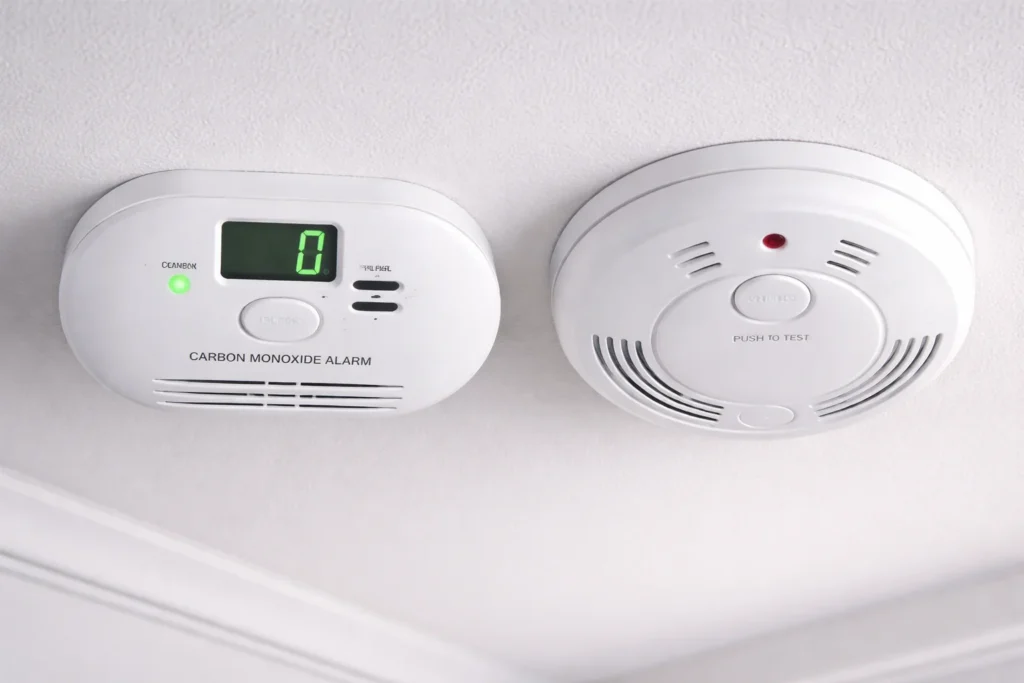
If the landlord doesn’t fix a problem on time, the PHA must act. It can withhold or stop payments to the landlord, end the contract, or help you move. Two safety rules apply no matter which standard your PHA uses: smoke alarms must be hardwired or have a sealed 10-year battery, and carbon monoxide alarms are required where there’s a fuel-burning appliance or an attached garage.
Tip for tenants: before signing a lease, test the smoke alarm button, run every stove burner, and check that windows lock. If you notice a problem early, the landlord can fix it before the inspection and your move-in won’t be delayed. After you move in, report problems to your landlord in writing and keep a copy. If repairs don’t happen, you can ask the PHA for a special inspection.
How to move to another city with your voucher
Vouchers are portable, which means you can usually move anywhere in the U.S. that has a voucher program. The steps:
- Tell your current PHA before you give notice to your landlord, and follow your lease’s notice rules.
- Your PHA sends your file to the agency in the new area. That agency may recalculate your share using its own payment standards, which can be higher or lower.
- Look up rents in the new area first. HUD’s 2027 Fair Market Rents are a quick way to see whether your voucher will go far there.
Rent assistance often works together with other programs. If utility bills are a problem, see our guide to LIHEAP energy assistance. If you get Social Security or SSI, remember that the 2027 cost-of-living increase counts as income at your next recertification.
Sources
- U.S. Department of Housing and Urban Development, Notice PIH 2026-18: Implementation of NSPIRE for Voucher Programs (July 15, 2026)
- U.S. Department of Housing and Urban Development, Fair Market Rents, FY 2027 (effective October 1, 2026)
- U.S. Department of Housing and Urban Development, Housing Choice Vouchers: information for tenants
About this guide: Telyf is an independent publication. We are not affiliated with any government agency, and this article is general information, not legal or financial advice. Rules can vary by state and change over time, so confirm the details with the official agency before making decisions.
About the Author

Vinícius Andrade writes about the practical side of personal growth — employee benefits, career moves, personal finance, and everyday wellbeing. He turns dense rules and jargon into steps anyone can act on, so readers spend less time decoding fine print and more time making decisions that actually improve their lives.
