In 2026, the most advanced wellness tool isn’t a new gadget, but the deliberate application of environmental stress. “Hormesis”—the biological process where brief exposure to stressors triggers a massive cellular repair response—has become the standard protocol for longevity and resilience.
As we navigate January 2026, the wellness market has seen a massive shift toward “Biological Toughening.” After years of chasing comfort, the 2026 professional has realized that a life without thermal or physical stress leads to cellular atrophy. The trend now is the Hormetic Protocol: a structured routine of sauna, cold exposure, and specialized breathwork designed to activate “survival genes” like SIRT1 and FOXO3. This isn’t about suffering; it’s about the technical management of your body’s adaptive capacity to ensure your Healthspan matches your lifespan.
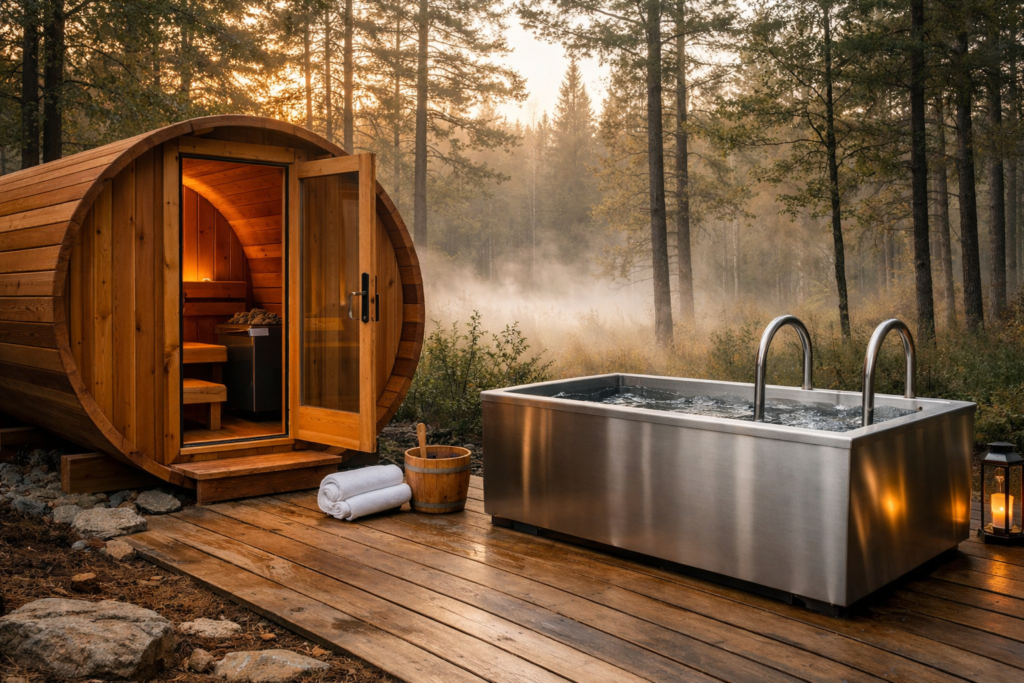
Thermal Hormesis: The 2026 Heat and Cold Standard
The most grounded yet effective trend in 2026 is the widespread adoption of thermal cycling. By early 2026, the “Sauna-Plunge” sequence is no longer just for athletes; it is a standard medical recommendation for cardiovascular health and metabolic flexibility.
- Heat Shock Proteins (HSPs): Regular sauna sessions at 80-90ºC trigger the release of HSPs, which act as “molecular chaperones” to repair misfolded proteins in your cells, potentially reducing the risk of neurodegenerative diseases.
- Cold Shock Proteins (CSPs): A 3-minute plunge in 5ºC water triggers the release of RNA-binding motif protein 3 (RBM3). In 2026, clinical data has solidified RBM3’s role in protecting synapses and preventing muscle loss (sarcopenia).
- Brown Fat Activation: The 2026 “Metabolic Reset” uses cold exposure to convert white adipose tissue into mitochondria-rich brown fat, increasing baseline caloric burn by up to 15% for hours after exposure.
Breathwork as Nervous System Engineering
In 2026, breathwork has moved from “spiritual practice” to “respiratory physiology.” The focus is on the Bohr Effect and CO2 Tolerance.
Technically, 2026 breathwork protocols aim to optimize the delivery of oxygen to tissues by managing the partial pressure of carbon dioxide (PCO2) in the blood. The relationship is governed by the hemoglobin-oxygen dissociation curve:
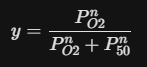
By practicing “hypoventilation” or the Buteyko-2026 method, individuals increase their CO2 tolerance, allowing oxygen to be released more efficiently from hemoglobin into the brain and muscles. In a world of 2026 high-stress careers, this “Internal CO2 Management” is the primary tool for down-regulating the sympathetic nervous system in under 90 seconds.

The “Low-Tech” Sanctuary: Biophilic Recovery
A significant 2026 movement is the rejection of “blue light wellness.” Instead, the focus has returned to Biophilic Design—integrating nature into the recovery process to lower cortisol levels through “fractal processing.”
In 2026, a “High-End” recovery space isn’t full of screens; it’s an environment optimized for Air Purity (HEPA-14), Circadian-tuned sunlight, and Phytoncides (natural oils released by trees, often diffused in 2026 offices to boost Natural Killer cell activity). This “Nature-First” approach recognizes that our 2026 biology is still ancient, and the best way to heal is to simulate the environment we evolved in.
Comparison: 2024 Gadget-Focus vs. 2026 Hormetic Model
| Feature | 2024 “Bio-hacking” | 2026 Hormetic Wellness |
| Primary Driver | Wearables / Supplements | Environmental Stimuli (Heat/Cold) |
| Goal | Distraction / Comfort | Cellular Resilience (Hormesis) |
| Breath Focus | “Calming down” | CO2 Tolerance / Bohr Effect |
| Metabolism | Calorie restriction | Mitochondrial Uncoupling (Brown Fat) |
| Success Metric | App notification | Heart Rate Variability (HRV) Recovery |
FAQ – Frequently Asked Questions About Hormetic Stress in 2026
Is cold exposure dangerous for the heart in 2026?
If done without progression, yes. In 2026, the “Graduated Cold Protocol” is the standard: starting with 30-second cold showers before moving to full immersion. Always check your 2026 cardiovascular “Stress-Test” score before starting.
How much sauna is “enough” for longevity?
The 2026 consensus, based on long-term Finnish data, is 19–22 minutes at 80ºC, 4 to 7 times per week. This frequency is associated with a 40% reduction in all-cause mortality compared to once-a-week users.
Why is nasal breathing so emphasized in 2026?
Nasal breathing produces Nitric Oxide (NO) in the sinuses, a potent vasodilator that increases oxygen uptake in the lungs by 10-15% and acts as an anti-microbial filter for 2026 urban environments.