The final implementation of the $600 reporting threshold for Form 1099-K in 2026 means millions of Americans will receive tax documents for casual sales and gig work that were previously under the radar.
After years of delays and transitional “phase-ins,” the IRS has officially solidified the reporting rules for third-party payment platforms in 2026. If you use apps like Venmo, PayPal, or Cash App to receive money for goods and services, you are likely to see a Form 1099-K in your mailbox or inbox this year. While the rule is designed to track business income, it is inadvertently catching many casual users who sell personal items online. Navigating this new level of transparency requires a clear understanding of what constitutes taxable income and how to report non-taxable events correctly.
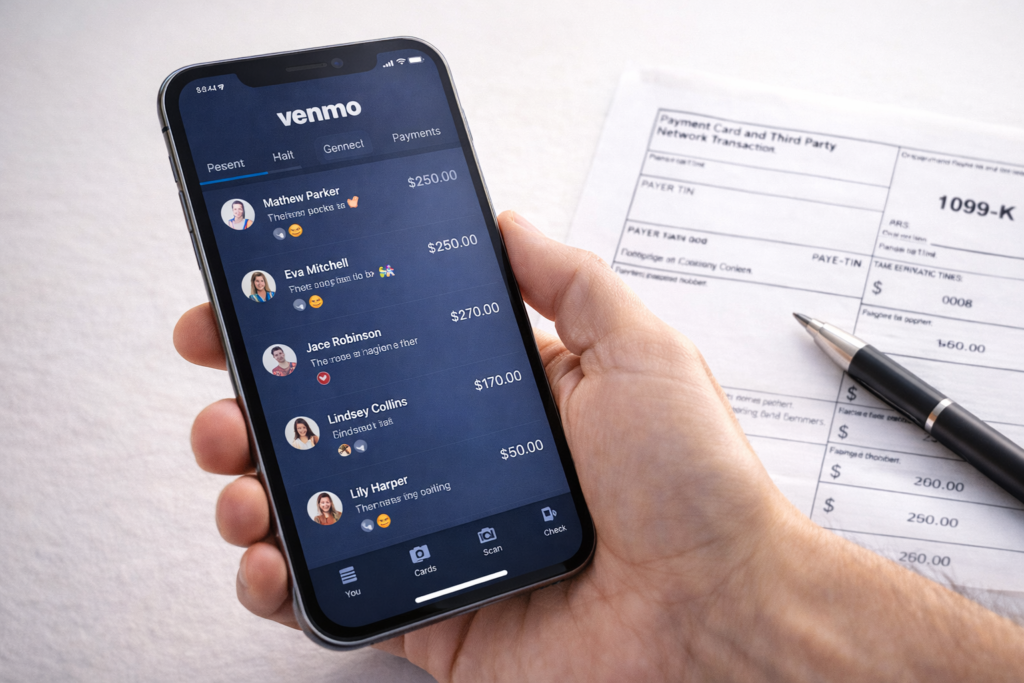
The $600 Threshold: Why it Matters Now
Before the recent changes, payment platforms only reported users who had over 200 transactions and $20,000 in volume. In 2026, the threshold is a flat $600, regardless of the number of transactions. This change significantly increases the number of forms issued to hobbyists, small-time sellers, and freelancers.
It is important to remember: The 1099-K is an information return. Receiving the form does not automatically mean you owe taxes, but it does mean the IRS knows you received that money.
‘Goods & Services’ vs. ‘Friends & Family’
One of the most critical technical details in 2026 is the classification of your transactions. Payment apps distinguish between payments for a “business” purpose and those for “personal” reasons.
- Goods & Services: These payments are flagged by the platform and are the only ones included in the 1099-K calculation.
- Friends & Family: Sending money for your share of a dinner bill or a birthday gift is not reportable.
- The Zelle Exception: Interestingly, because Zelle is a bank-to-bank transfer network and not a “third-party settlement organization” in the same way as PayPal, it generally does not issue 1099-K forms under current 2026 guidelines, though this remains a point of legislative debate.

Selling at a Loss: The ‘Garage Sale’ Dilemma
A major concern for many Americans in 2026 is receiving a 1099-K for selling used personal items, like an old sofa or a used designer bag, for more than $600 but less than what they originally paid for it.
- Non-Taxable Losses: If you bought a laptop for $1,200 and sold it for $700, you have a loss. You do not owe taxes on that $700.
- The Reporting Requirement: Even if you don’t owe taxes, you must reconcile the 1099-K on your tax return. You will report the income and then “zero it out” on Schedule 1 of your Form 1040 to show the IRS that the transaction was a personal loss.
- Documentation is Key: In 2026, keeping digital receipts or photos of original purchases is vital to prove to the IRS that these casual sales were not profitable business ventures.
Impact on the Gig Economy and Side Hustles
For those intentionally running a business or a side hustle, the 1099-K is a blessing and a curse. It simplifies income tracking, but it also makes “under-the-table” payments impossible. Freelancers must ensure their bookkeeping matches the 1099-K totals. If the form shows $5,000 but your books show $4,800 due to refunds or fees, you must be prepared to explain the discrepancy to avoid an automated IRS flag.
Summary: 1099-K Rules in 2026
| Feature | Previous Legacy Rules | 2026 Reality |
| Dollar Threshold | $20,000 | $600 |
| Transaction Count | 200+ | No Minimum |
| Personal Transfers | Not Reported | Not Reported (Friends & Family) |
| Used Item Sales | Rarely Reported | Frequently Reported |
| Audit Risk | Low for small amounts | Moderate (Requires Reconciliation) |
FAQ – Frequently Asked Questions About 1099-K
Does Venmo tax my money?
No, Venmo does not take taxes out of your payments. They simply report the total amount to the IRS. You are responsible for calculating and paying any taxes due when you file your return.
What if my 1099-K is incorrect?
If you receive a form that includes personal gifts or the wrong total, you should contact the payment platform immediately to request a corrected form. If they won’t change it, you must explain the error on your tax return.
Should I stop using payment apps for my business?
Not necessarily. While the transparency is higher in 2026, the convenience remains. The key is simply to keep better records and separate your business and personal accounts within the apps.