As of January 1, 2026, the era of “vague salary ranges” has ended. New amendments to transparency laws in key states now mandate realistic “upon hire” figures and include total compensation—equity, bonuses, and benefits—in the legal definition of wages.
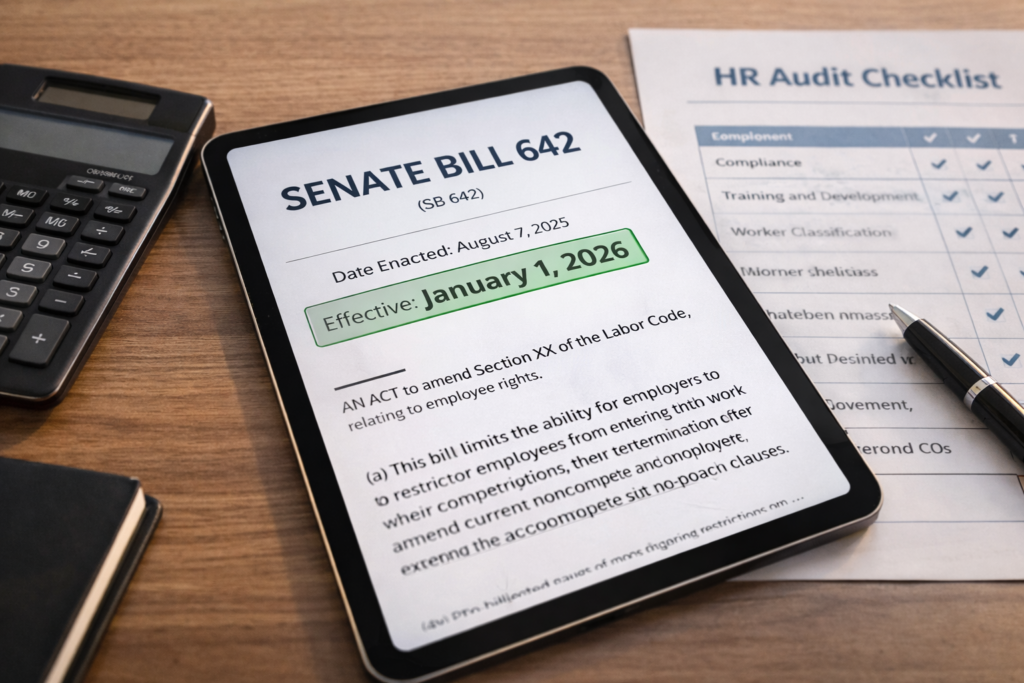
Entering 2026, the landscape of salary disclosure has shifted from voluntary “goodwill” to a rigid enforcement phase. While earlier laws required a simple pay scale, 2026 updates like California’s SB 642 and Washington’s latest mandates have closed the loopholes that allowed employers to post meaningless ranges (e.g., $50,000 to $500,000). For the professional in 2026, this means access to high-fidelity data that can be used not only to vet new opportunities but to audit their current pay for illegal disparities.

The “Upon Hire” Standard: Narrowing the Gap
The most significant technical update for 2026 is the refined definition of a “Good Faith Estimate.” Regulators have observed that broad ranges were being used to obscure actual pay. Under the new 2026 standards:
- The “Upon Hire” Rule: In states like California and Washington, the posted range must reflect what the employer reasonably expects to pay a candidate at the time of hire, not the potential lifetime earnings of the role. This effectively narrows most posted ranges to a 20–30% spread.
- Separate Postings for Seniority: Employers can no longer use one broad posting to cover “Junior to Senior” levels. In 2026, distinct roles must have distinct, realistic pay scales.
- Penalties for Deception: Posting a “placeholder” range that doesn’t align with internal budget documents can now lead to civil penalties ranging from $100 to $10,000 per violation.
Beyond Base Pay: The Total Compensation Disclosure
In 2026, “Pay” is no longer just the number on your paycheck. New legislative language has expanded the definition of wages to include the entire “economic benefit” of a job.
For the first time in 2026, equal pay claims and certain disclosure requirements in states like Washington and New York must account for:
- Stock Options and Equity: In high-tech sectors, two employees with the same base salary but different RSU (Restricted Stock Unit) packages may now be in violation of pay equity laws if the difference isn’t justified by objective factors (like seniority or performance).
- Health and Life Insurance: The value of employer-provided benefits is now legally scrutinized as part of “total wages.”
- Vacation and Holiday Pay: Discrepancies in PTO (Paid Time Off) accrual rates are now actionable under 2026 equal pay frameworks.
The 6-Year Back-Pay Window: Auditing Your Current Role
Perhaps the most aggressive change for 2026 is the expansion of the statute of limitations for pay equity claims.
In California, as of January 2026, an employee who discovers they have been paid less than a colleague of a different gender or race for “substantially similar work” can now seek relief for the entire period of the violation, up to 6 years. Previously, this was often limited to two or three years. Furthermore, under the “Fair Pay Act” standards of 2026, each paycheck issued at a discriminatory rate counts as a new violation, effectively resetting the clock for claims.
As of January 1, 2026, many states have also increased the minimum salary a worker must earn to be considered “exempt” from overtime (Administrative/Executive exemptions).
2026 Salary Thresholds (Selected Regions)
| Region | Min. Exempt Salary (Weekly) | Min. Exempt Salary (Annual) |
| California (Statewide) | $1,280.00 | $66,560 |
| New York City / Long Island | $1,275.00 | $66,300 |
| New York (Rest of State) | $1,199.10 | $62,353 |
| Washington (Statewide) | $1,302.40 | $67,725 |
FAQ – Frequently Asked Questions About Pay Transparency in 2026
What if I work remotely in a state with no transparency laws?
In 2026, if you apply for a job with a company based in a state with transparency laws (like CA, NY, or WA), or if the company could hire someone in those states for that role, they must generally follow the strictest disclosure requirements.
Can an employer ask about my “salary expectations” instead of my history?
Yes. While asking for your salary history is strictly prohibited in 2026, employers can still ask what you expect to earn. Use the newly disclosed ranges in 2026 job postings to anchor your expectations in the current market reality.
Does a company have to show me the salary of my colleagues?
Directly, no. However, in 2026, you have the right to discuss your own wages with colleagues without retaliation, and in many states, the company must provide you with the “pay scale” for your current position upon request.