The Low Income Home Energy Assistance Program (LIHEAP) has entered its peak operational phase in January 2026, backed by approximately $3.7 billion in federal funding to protect vulnerable households from extreme winter temperatures.
As the United States faces the coldest months of the year, the Department of Health and Human Services (HHS) has mobilized critical resources to ensure American families do not have to choose between heating and other basic necessities. For the 2026 Federal Fiscal Year, the program operates under a finalized release of regular block grant funds and supplemental infrastructure funding, aimed at stabilizing energy costs for millions. Understanding the technical distinction between “Regular Heating Assistance” and “Crisis Intervention” is vital for recipients navigating the high utility demands of January 2026.
Federal Funding and Budgetary Framework for FY 2026
On November 28, 2025, the Office of Community Services (OCS) released approximately $3.6 billion in regular block grant funding for the 2026 program year. This was bolstered by an additional $100 million from the Bipartisan Infrastructure Investment and Jobs Act (IIJA), bringing the total early-year allocation to roughly $3.71 billion.
The 2026 funding strategy includes a “hold-harmless” provision, ensuring that most states and territories receive at least 97% of the funding levels they held in 2019, maintaining a consistent safety net despite fluctuating energy prices.
This massive infusion of capital allows state agencies to issue cash grants directly to utility providers or fuel companies on behalf of eligible households, preventing debt accumulation during high-usage months.
Technical Eligibility: SMI vs. FPG in 2026
Eligibility for LIHEAP in 2026 is determined by state-specific income thresholds that must fall within federal guidelines. Most states utilize either the Federal Poverty Guidelines (FPG) or the State Median Income (SMI) to set their limits.
- 150% of FPG: Many states use 150% of the federal poverty level as their maximum. For a household of four in the 48 contiguous states, this limit is approximately $48,225 annually for the 2026 cycle.
- 60% of SMI: In higher-cost states, 60% of the State Median Income is often used because it allows more middle-income families to qualify. For instance, in California, the monthly income limit for a family of four is set at $6,407.16 for 2026.
2026 LIHEAP Monthly Income Limits (Selected States/SMI)
| Household Size | California (60% SMI) | Illinois (60% SMI) | Rhode Island (60% SMI) |
| 1 Person | $3,331.66 | $3,332.00 | $3,521.00 |
| 2 People | $4,356.83 | $4,357.00 | $4,604.00 |
| 3 People | $5,382.00 | $5,382.00 | $5,687.00 |
| 4 People | $6,407.16 | $6,407.00 | $6,771.00 |
| 5 People | $7,432.25 | $7,432.00 | $7,854.00 |
Data based on FY 2026 State Model Plans and current January 2026 thresholds.
Energy Crisis Assistance: The Emergency Protocol
While regular heating grants are one-time payments (typically ranging from $200 to $1,000), the Energy Crisis Intervention Program (ECIP) provides additional funds for immediate emergencies. In 2026, a “crisis” is technically defined by most state agencies as:
- Imminent Disconnection: Having a utility shut-off notice or having the service already disconnected.
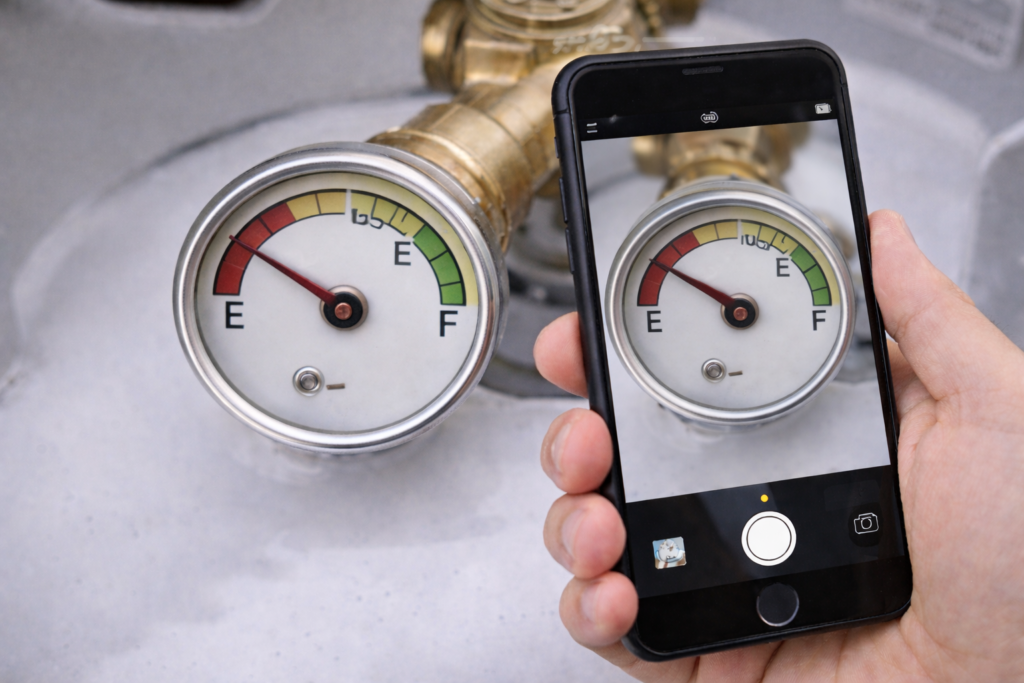
- Fuel Depletion: Having a fuel tank at 1/4 capacity or less for households that rely on propane or heating oil.
- Equipment Failure: Having a broken furnace or heating system during a period of extreme cold.
The maximum crisis grant in 2026 typically caps at $500 to $1,000 per program year, depending on the severity of the situation and local agency funding.
Winter Shut-Off Moratoriums and Protections
In January 2026, residents in 42 states are protected by cold-weather disconnection policies. These moratoriums prevent utility companies from stopping service for non-payment during specific dates or when temperatures drop below a certain threshold (often 32°F).
For example, in New Jersey, the Winter Termination Program protects eligible customers from November 15, 2025, through March 15, 2026. However, experts emphasize that these protections do not cancel the debt; consumers are encouraged to make “good-faith payments” to avoid massive balances when the moratorium ends in the spring.
FAQ – Frequently Asked Questions About LIHEAP 2026
What is the deadline to apply for 2026 heating assistance?
Most states accept applications through May 31, 2026, or until funds are exhausted. Due to the high demand in January, it is recommended to apply as early as possible.
If my heat is included in my rent, can I still get LIHEAP?
Yes, in many cases. If you can demonstrate an “energy burden” (such as a lease agreement showing heat costs are part of the rent), you may still qualify for a modified benefit.
How long does it take to get a LIHEAP payment?
Due to high volume in early 2026, applications may take up to 12 weeks to process. However, Crisis Intervention applications are usually prioritized and addressed within 48 hours (or 18 hours in life-threatening situations).